Add Row
Add Element
cropper
update
EDGE TECH BRIEF
update
Add Element
  • Home
  • Categories
    • 1. Future Forecasts Predictive insights
    • market signals
    • generative AI in R&D
    • climate
    • biotech
    • R&D platforms
    • innovation management tools
    • Highlights On National Tech
    • AI Research Watch
    • Technology
May 28.2025
3 Minutes Read

The Agentic Web Revolution: How Microsoft's AI Tools Will Change Everything

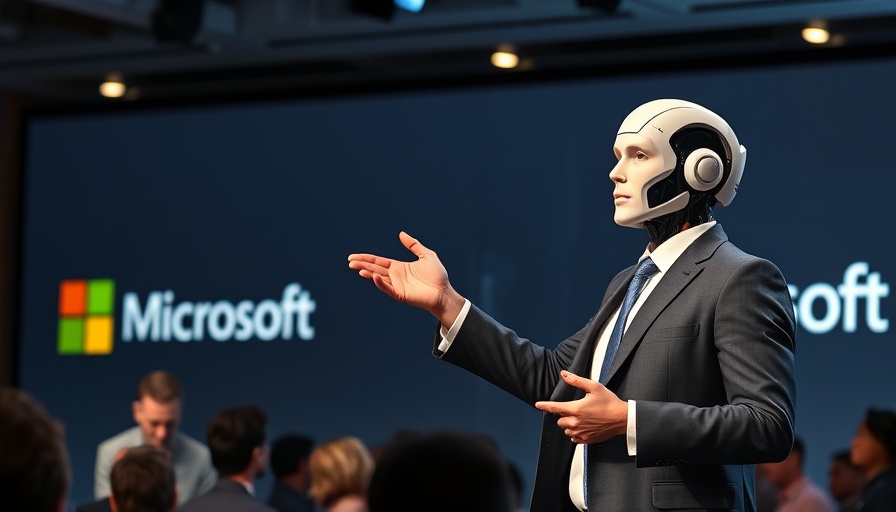
AI worker presentation with Microsoft branding on stage.

Transforming the Internet: Welcome to the Agentic Web

Recently, Microsoft made waves with an unveiling that many experts suggest could define the future of the internet. At its Build 2025 event, Microsoft introduced over 50 AI tools, setting the stage for what it calls the "agentic web." This revolutionary concept promises to reshape how users interact with digital systems, moving beyond traditional search queries to a web driven by proactive, autonomous AI agents. These agents aren't merely tools; they are designed to think, act, and make decisions independently.

In 'Microsoft Just Declared War on the Future of the Internet,' a fascinating exploration into the agentic web unfolds, prompting us to analyze the implications of these groundbreaking AI tools.

The Shift from Reactive to Proactive AI

Currently, most people experience AI in a reactive manner, prompting it with questions and await answers. However, the agentic web promotes a new dynamic. As Kevin Scott, Microsoft's CTO, described, the model is transitioning toward intelligent agents that remember and reason. This means AI can not only respond but also take the initiative—managing tasks and collaborating with other agents across diverse systems. This shift could fundamentally change the nature of digital workflows and user experiences.

Microsoft's Evolving AI Tools

During Build 2025, Microsoft did not just announce features; it launched a framework for AI that appears poised to create a new paradigm. Among its tools, the enhanced GitHub Copilot emerged as a vital component, helping developers refactor code, write tests, and engage in collaborative problem-solving with other AI agents. This modular approach, especially with Azure's AI Foundry, could streamline complex workflows for enterprises, allowing for specialized agents that enhance reliability.

Real-World Applications of the Agentic Web

One of the standout showcases of this new paradigm was Microsoft Discovery, a platform aimed at accelerating scientific research. In one ambitious project, it screened over 367,000 chemical compounds in just 200 hours—an endeavor that would typically take years. This capability highlights the agentic web's potential across various sectors, especially in environments where rapid advancements are critical.

The Power of Memory and Contextual Awareness

Another key aspect of the agentic web is the introduction of persistent memory. Traditionally, AI struggles with recalling long-term data between sessions, but now, structured Retrieval-Augmented Generation empowers agents to access relevant information dynamically. This means tasks like remembering user preferences or tracking multi-step projects have the capacity to occur seamlessly, enhancing user experience and productivity.

Security and Interoperability: Critical Considerations

As autonomous agents take on more responsibilities, Microsoft is proactively addressing security concerns through its Entra agent ID system. This innovation assigns unique identities to agents, allowing organizations to monitor their usage and ensure compliance with governance requirements. By investing in security measures tailored for the complex interactions between agents, Microsoft is helping to create a safer environment for businesses to harness these advanced technologies.

The Future of Digital Interaction

The implications of Microsoft's Build 2025 announcements are substantial. The transition from a web of information to a web of action means that businesses will begin to rethink not only how they interact with technology but also how they structure their internal processes. For R&D directors and tech investors, understanding and adapting to the agentic web is imperative for staying competitive in a landscape that is evolving rapidly.

Conclusion: Embracing Change in Tech Innovation

Microsoft is at the forefront of defining a new era where intelligent agents drive most digital interactions. While exciting, the shift towards an agentic web also demands that leaders in technology and innovation rethink how they leverage AI capabilities. As these systems become more prevalent, aligning with Microsoft's evolving standards is crucial for creating competitive advantages.

For R&D directors and innovation executives, now is the time to explore the potential applications of these emerging tools in your strategies. Adapting to these advancements will not only enhance efficiency but also prepare your business for the future digital landscape.

biotech

1 Views

0 Comments

Write A Comment

*
*
Related Posts All Posts
12.12.2025

Explore the 20 Tech Trends That Will Transform 2026 Technology Landscapes

Update The Tech Trends Shaping Our Future: A Deep Dive into 2026 By 2026, the landscape of technology will not be defined by a single breakthrough, but by a convergence of 20 transformative trends poised to redefine our daily lives, workplaces, and interactions. As we explore these advancements, we find that they speak directly to R&D directors, tech investors, and innovation executives who aim to stay at the forefront of industry shifts.In '2026 Will Be Ruled by These 20 New Tech Trends', the discussion dives into the upcoming technology transformations, prompting a deeper analysis of the implications these trends will have for industries. Understanding Agentic AI: The Future of Autonomous Decision-Making One of the most significant trends is Agentic AI, which moves beyond traditional chatbots and interaction-based AI. Unlike its predecessors, Agentic AI will be capable of planning, adapting, and executing tasks autonomously. Major players like OpenAI and Google are already developing systems where AI can execute multi-step workflows independently. As this technology evolves, it's projected that automation will impact up to 70% of job activities across various sectors, emphasizing the importance of understanding its implications for workforce roles. Bioprinting Meets Quantum Computing: A Revolutionary Pairing The intersection of bioprinting and quantum computing presents vast potential for innovation. Bioprinting is advancing towards clinical applications, with 3D printed tissues set to aid drug testing, while quantum computing promises to tackle complex problems beyond the scope of classical computing. This parallel growth suggests exciting future developments, particularly in healthcare and materials science, both areas that R&D directors should closely monitor for investment and collaboration. Emerging Energy Solutions: A Paradigm Shift AI-driven energy systems represent another critical trend, as the demand for energy proliferates alongside AI workloads. As data center electricity consumption could double by 2026, innovations such as DeepMind's efficiency improvements illustrate the urgency for better energy management strategies. Adopting AI to optimize renewable energy use will be essential for sustainability, showcasing opportunities for innovation executives to invest in greener technologies. The Growing Role of Autonomous Robots Autonomous robots are transforming industries beyond the manufacturing floor. From delivery bots in college campuses to service robots entering public spaces, these technologies are expanding their roles into everyday life. R&D directors should consider how to integrate these technologies into operational workflows, as their utilization promises significant improvements in efficiency and customer service across sectors. Privacy-First AI: Navigating Tomorrow's Data Security Challenges With rising concerns about data privacy, a shift towards on-device AI is expected to become standard. Companies, like Apple, have begun executing AI functions locally on devices, laying the groundwork for consumer trust. This shift towards privacy-first approaches could provide tech investors with a new focus area for funding innovations prioritizing user data control. Building Digital Trust with Blockchain As synthetic identities proliferate, the development of blockchain-based digital identity solutions becomes crucial. This technology promises to enhance verification processes in financial transactions and online governance. The global push for digital identities is a significant shift in how authenticity is managed, presenting an opportunity for innovation executives to lead in responsible digital solutions. Conclusion: Ready for Change? Embrace These Trends The convergence of these 20 technology trends offers a compelling vision for what 2026 may hold. R&D directors and tech investors should be proactive in embracing these changes, fostering innovation and preparing for the challenges they may bring. As the landscape evolves, staying informed and agile could be the key to thriving in an increasingly automated and digitally interconnected world.

12.08.2025

Discover the Futuristic Gadgets You’ll Actually Use by 2026

Update Futuristic Gadgets Redefining Everyday Life by 2026 By 2026, the landscape of personal technology will shift dramatically as a variety of futuristic gadgets transition from experimental stages to everyday essentials. These innovations promise to enhance our lifestyles, streamline daily tasks, and redefine how we interact with the world around us. Here’s a look at how specific gadgets are poised to disrupt various industries and culture.In '15 Futuristic Gadgets You’ll Actually Use by 2026', the discussion dives into the transformative technologies set to reshape everyday life, exploring key insights that sparked deeper analysis on our end. The Rise of Personal Mobility Gadgets Urban mobility is evolving rapidly, thanks to the rise of personal gadgets designed for ease of travel. Foldable electric bikes and compact scooters are already in high demand, particularly in tech-forward regions like China and Europe. The projections for the electric bike market to reach $52 billion by 2030 indicate a robust adoption trend, which is only expected to grow. AI Health Wearables: A Personal Health Revolution Health monitoring is also shifting towards more proactive solutions. Advanced wearables like the Apple Watch and Fitbit are being augmented with artificial intelligence to provide real-time health insights. Innovations such as continuous glucose monitoring and predictive algorithms are expected to transform how individuals manage their health. This shift signals a forthcoming era where millions rely on wearables as a primary health tool. Smart Home Decor: Design Meets Sustainability The integration of technology into home decor not only advances convenience but also aligns with sustainable living practices. Futuristic gadgets like self-watering planters and energy-efficient decor are appealing to environmentally conscious consumers. The smart home market is anticipated to exceed $25 billion by 2026, fueled by a surge in consumer interest for practical and stylish solutions. Autonomous Delivery Robots: The Future of Logistics Robotic delivery systems are also becoming a reality, with pioneers like GrubHub implementing automated solutions in college environments. The autonomous delivery market is expected to grow significantly in the coming years, promising fresh avenues for logistics and convenience in commerce. AI-Driven Home Assistants: Proactive Technology AI advancements are enhancing home assistants, shifting them from passive responders to proactive managers of our households. By anticipating needs and suggesting actions, these devices are set to become integral to daily routines, making life more seamless and organized. Future Projections: What to Expect As we look ahead, the integration of these gadgets into our lives is not just about convenience; it’s about adapting to the changing societal landscapes. R&D directors, tech investors, and innovation executives should evaluate these trends seriously as potential business opportunities and consider how they might adapt their strategies to harness these advancements. The evolution of technology has far-reaching implications, not just for personal use but for collective human experience. Call to Innovate To stay at the forefront of the tech revolution, embrace these trends and consider how your organization can leverage futuristic gadgets to optimize operations and set new standards in innovation. Understanding these powerful tools’ potential can guide your investments and initiatives.

12.05.2025

Discover the Top Wearable Tech in 2025 That Makes You a Cyborg

Update Exploring the Future: Top Wearable Tech in 2025 As we move into 2025, the landscape of wearable technology promises to push the boundaries of human capability, offering devices that will make you feel like a cyborg. These innovations not only enhance our daily lives but also pave the way for significant advancements in fields like health care, security, and personal productivity. In this article, we analyze the top wearable tech set to redefine how we interact with the world.In 'Top 15 New Wearable Tech That’ll Make You Feel Like You’re a Cyborg...', various innovations are explored that push the limits of wearable technology, prompting a deeper analysis of their implications. Revolutionary Developments in Wearable Tech Among the most anticipated innovations in 2025 are smart night vision AI glasses, designed to aid those with night blindness and enhance security measures. They utilize advanced infrared sensors and AI image processing to create overlays of one's surroundings, offering a glimpse into a future where vision can be augmented considerably. Another exciting category is the smart VR gloves, which promise to transform virtual experiences into something tangible. These gloves feature pressure sensors and haptic feedback technology, allowing wearers to engage with virtual objects in a way that’s both immersive and interactive. Industries from gaming to medical training are set to benefit significantly from this technology. The Rising Trend of Health Monitoring Wearable tech in 2025 is heavily focusing on health metrics, as seen with devices like the Whoop 5.0. Unlike conventional smartwatches, Whoop emphasizes performance and recovery, providing in-depth insights into strain and sleep quality. For R&D directors and tech investors, these trends suggest a growing market demand for devices that prioritize users' specific wellness needs over merely tracking fitness. Additionally, the Circular Ring 2’s FDA-cleared ECG sensor marks a turning point in consumer health monitoring. By making medical-grade data accessible through discreet wearables, this technology could revolutionize how users manage their health daily. A Leap into Everyday Utility Smaller devices like AI notetaking pins are making significant strides in practical application for businesses and educational settings. These tools are designed to streamline communication and enhance efficiency, indicating that the wearable market is transitioning from fitness-focused innovations to practical solutions for everyday challenges. The Ali Solo's glasses stand out for their societal significance, utilizing AI to assist visually impaired individuals by describing surroundings and reading text. Such developments highlight the potential for wearable tech to create inclusive environments and enhance the quality of life. Implications for Investment and Innovation For innovation executives and tech investors, the emergence of these technologies signals a lucrative opportunity in the tech market. The shift toward wearable devices that merge functionality with fashion and accessibility will likely drive consumer interest and sales in the coming years. These advancements suggest that the future of wearables will not just be about utility, but also about enhancing the user experience in profound ways. The upcoming Oakley Meta HSTN AI glasses, which integrate sports eyewear design with AI capabilities, exemplify this trend. They are set to make AI more mainstream by offering practical applications that extend beyond novelty. Conclusion: Embracing the Future of Wearables The array of innovative wearable technologies introduced in 2025 helps redefine the boundaries of what wearables can achieve. From enhancing health management to revolutionizing daily tasks, the implications for R&D directors, tech investors, and innovation executives are vast. Staying ahead in this rapidly evolving landscape will require keen insight into emerging technologies and their potential societal impacts. As we observe these trends, it is crucial for industry leaders to engage deeply with the burgeoning landscape of wearables, ensuring their organizations are well-positioned to capitalize on these advancements.

Terms of Service

Privacy Policy

Core Modal Title

Sorry, no results found

You Might Find These Articles Interesting

T
Please Check Your Email
We Will Be Following Up Shortly
*
*
*